Friday, May 6, 2022
CAAMFest 2022
As we are gradually returning to in-person gatherings, CAAMFest, formerly known as the San Francisco International Asian American Film Festival, reaches its milestone—the 40th anniversary. For four decades, the festival has been celebrating the richness and diversity of the Asian and Asian American experience with cinema.
It's quite a surprise that for the big 40, this year's edition of the festival contains much fewer films than usual. There are ten feature narratives and eight feature documentaries only, in addition to 34 shorts, several panel discussions, and live music events.

Similar to last year, this year's CAAMFest (May 12-22, 2022) will take place in a hybrid format: the festival will show films both online and at in-person events. All shorts and some features will be screened via online streaming across the country through the Center for Asian American Media (CAAM) website; select films, panel discussions, and live performances will take place at the Castro Theater, the Great Start Theater, and SFMOMA in San Francisco, as well as the New Parkway Theater in Oakland.
(You may click on each still image or poster for the corresponding screening or event's show time and ticket information.)
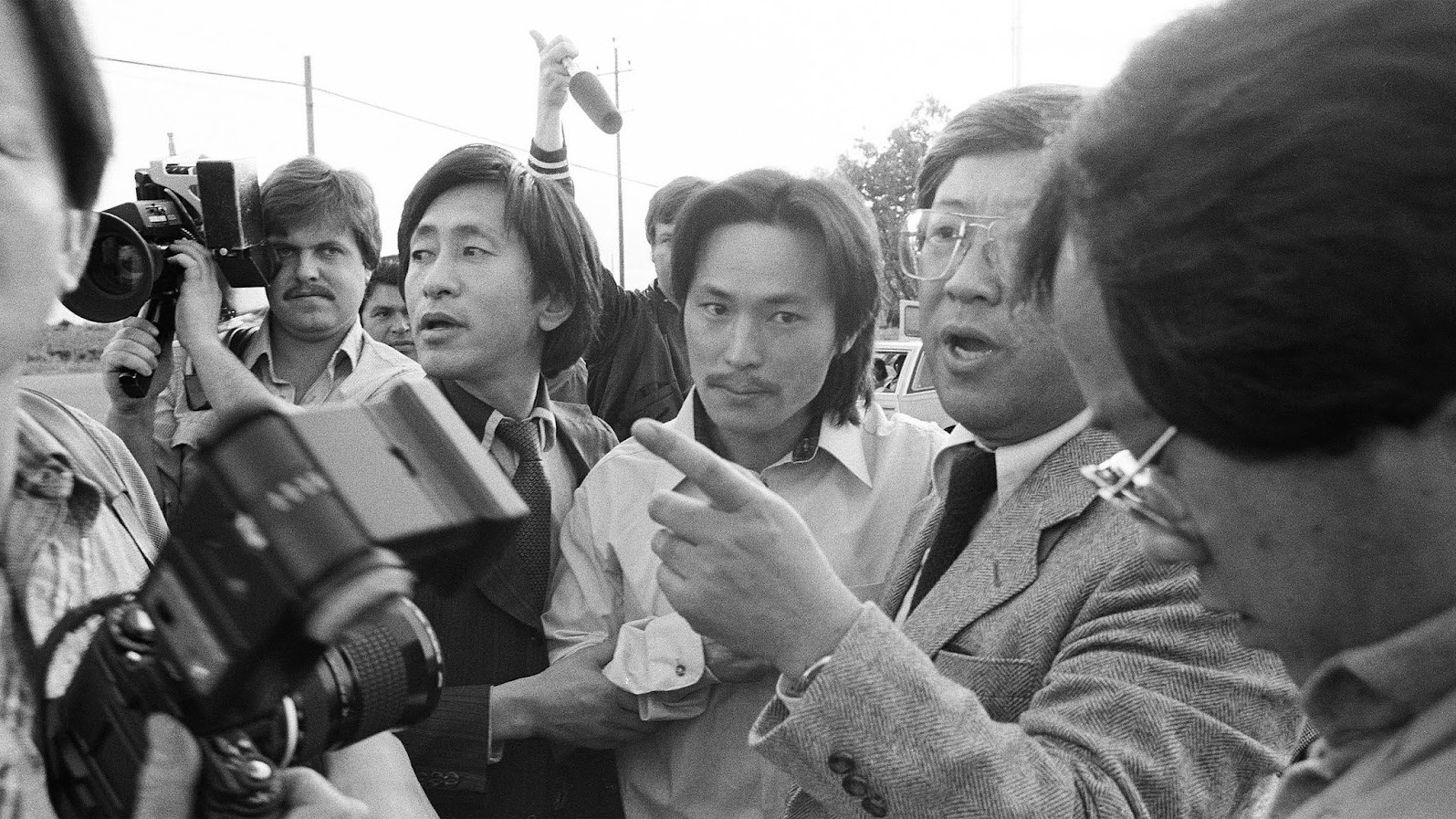

This honest, balanced, and sometimes deeply moving documentary unfolds a very personal yet very common Asian immigrant story. It's an elegant portrait of a resilient and hard-working family's American dream.
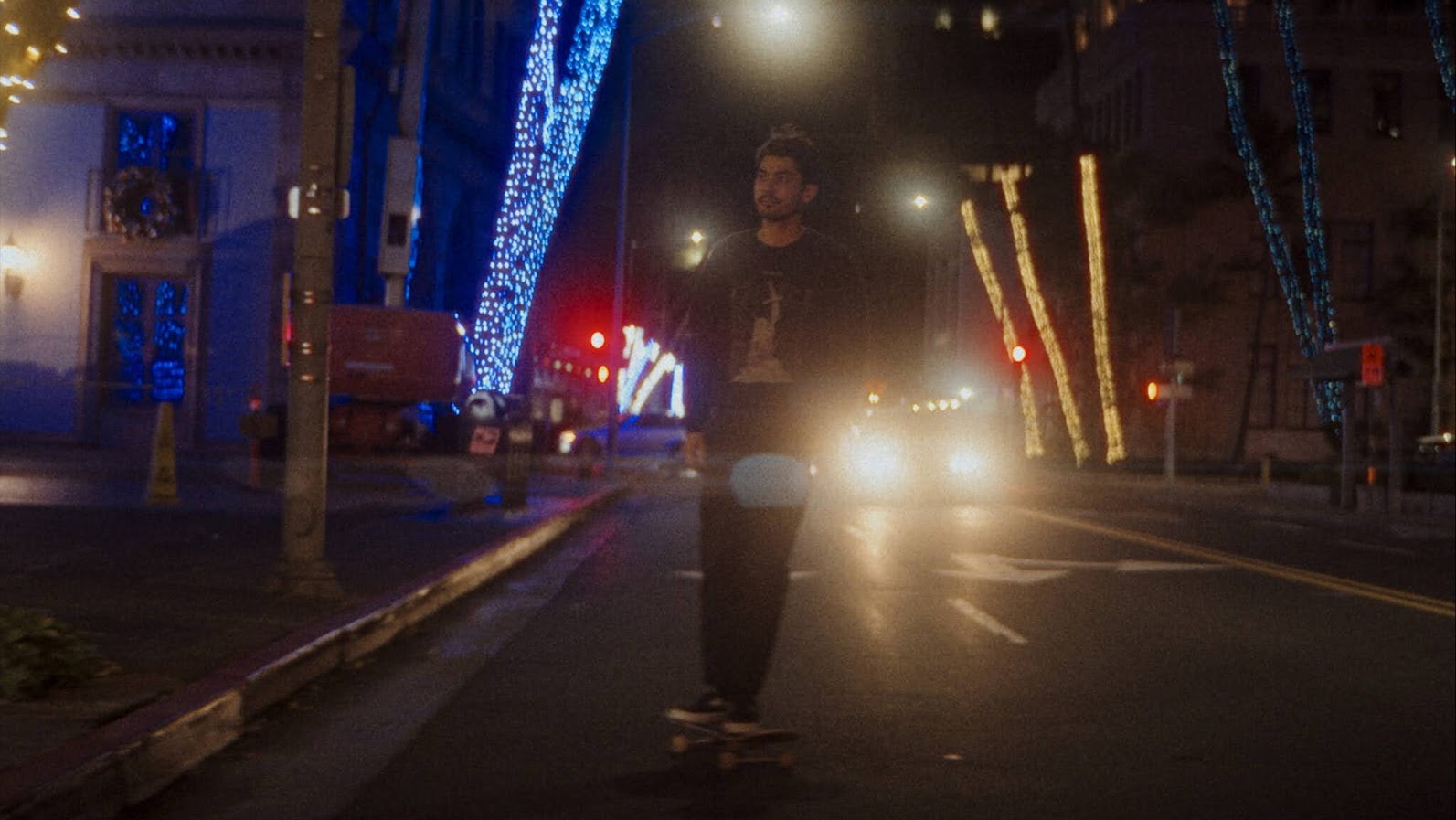

The director Suzanne Kai's fascinating film "Like a Rolling Stone: The Life & Times of Ben Fong-Torres" (USA 2022 | 102 min. | Documentary) terrifically brings this legendary figure to light. With incredibly rich footage and entertaining interviews, the film's arresting storytelling underlines Ben Fong-Torres's enormous contributions that shaped American pop culture.
Labels: CAAMFest


Friday, May 7, 2021
CAAMFest 2021

A showcase of CAAM, the 11 days CAAMFest (formerly known as the San Francisco International Asian American Film Festival) will present 16 feature narratives, 14 feature documentaries, and many short films. Panel discussion and conversation events will also be held during the festival.
On Thursday, May 13 at the Fort Mason Flix drive-in theater, the festival opens with director Debbie Lum's superb documentary "Try Harder!" (USA 2021 | 85 min. | Documentary) about a group of aspiring seniors at one of the best and oldest high schools—Lowell High School in San Francisco.
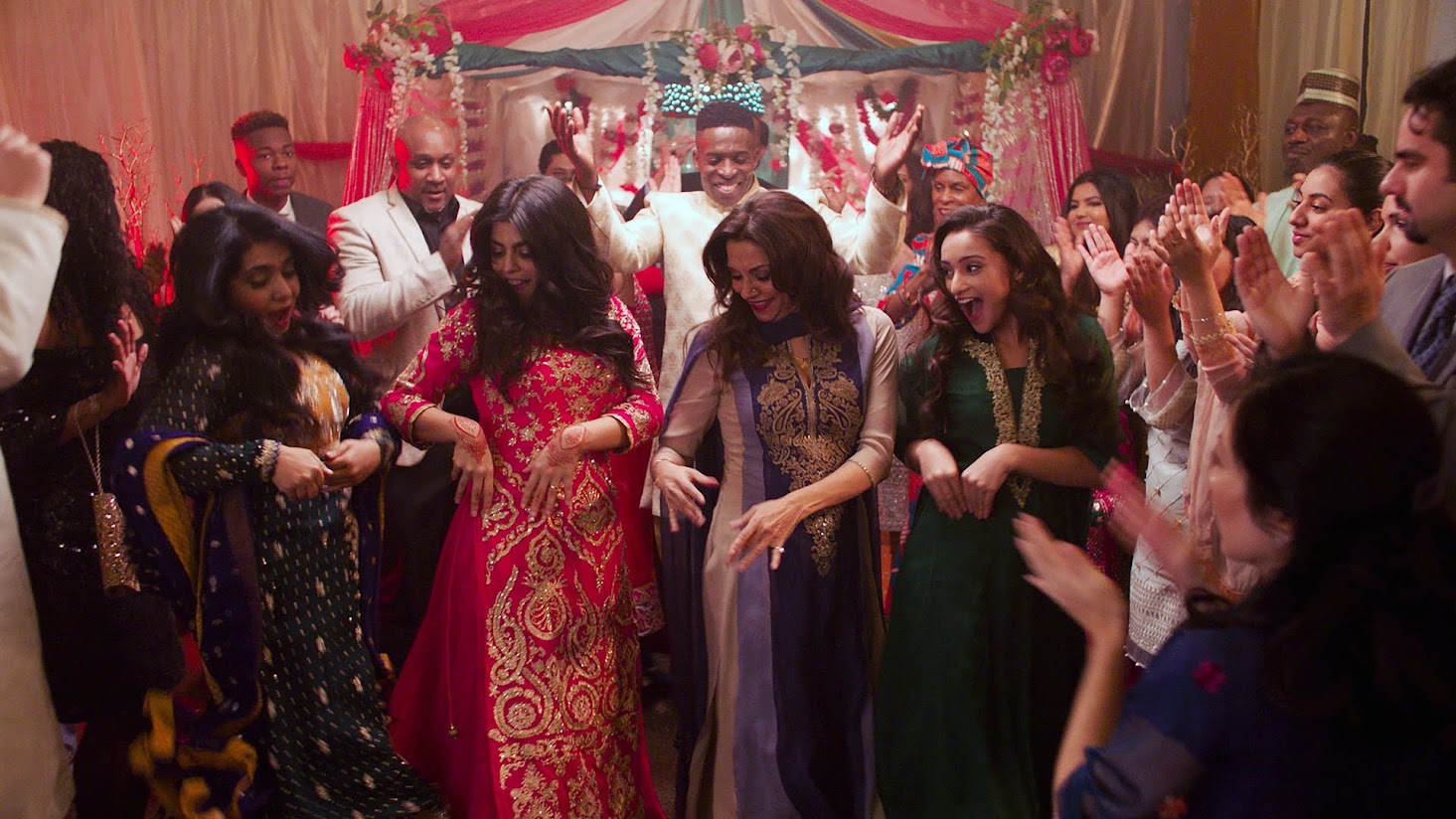
On Sunday, May 23, the festival closes with Iman Zawahry's feature directorial debut "Americanish" (USA 2021 | 90 min.), a comedy about a group of young Pakistani-American in NYC who juggle family, career, and culture.

The centerpiece presentation for documentary is director Ann Kaneko's powerful new documentary "MANZANAR, DIVERTED: When Water Becomes Dust" (USA 2021 | 84 min. | Documentary). The film tells the story of women from different generations fighting for their land and water in Manzanar, where Japanese Americans were incarcerated during World War II.
The centerpiece presentation for narrative is director Evan Jackson Leong's crime drama "Snakehead" (USA 2021 | 89 min.). Set in New York City's Chinatown, the film tells a story of a young woman's fight to survive among criminal human smugglers.


The festival also shines the spotlight on three prominent Asian American filmmakers: a cultural icon Margaret Cho, San Francisco native director Evan Jackson Leong, and Filipino American actor Dante Basco.

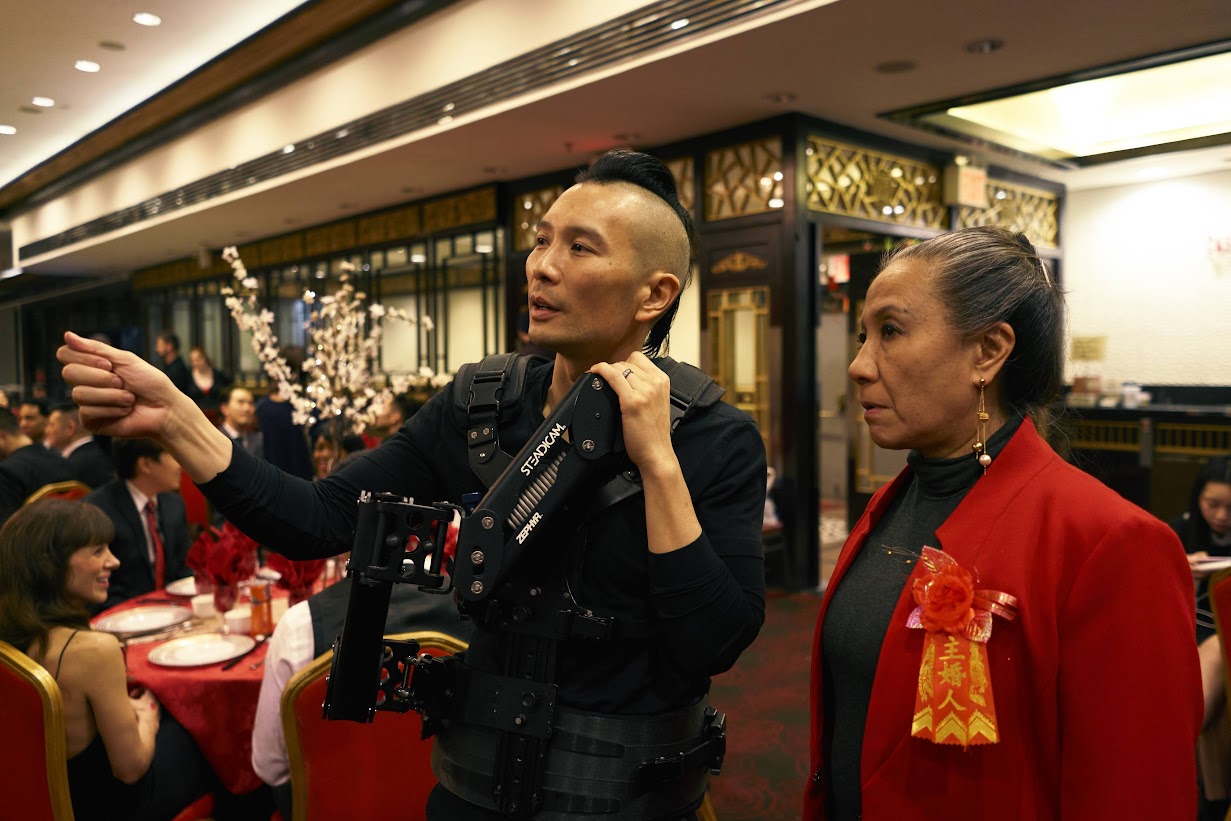

The festival's retrospectives include director Evan Jackson Leong's crowd pleasing documentary "Linsanity" (USA 2013 | 88 min. | Documentary), legendary director Wong Kar-Wai's classic "Happy Together" (春光乍洩 | Hong Kong/Japan/South Korea 1997 | in Chinese | 96 min.), and the director Lisette Marie Flanary's enchanting documentary "One Voice" (USA 2009 | in English/Hawaiian | 84 min.).
Here are my reviews (or capsule reviews if they are under hold-review status) of a few films at this year's festival.
- Try Harder! (USA 2021 | 85 min. | Documentary)
- Wuhan Wuhan (武汉 武汉 | USA/China 2021 | in Chinese | 90 min. | Documentary)
- Taipei Suicide Story (安眠旅舍 | Taiwan 2020 | in Mandarin | 45 min.)
- Out/Here Shorts
- Try Harder! (USA 2021 | 85 min. | Documentary)
Founded in 1856, San Francisco's Lowell High School is one of the most prestigious public high schools in the nation, and 70% of its students are Asian. Needless to say, getting into an elite university is the dream for most of these highly motivated nerds and their parents. But does that define these students' identities?
The director Debbie Lum and her crew followed Lowell's senior class for an entire year in and out of school and turned 300 plus hours of footage into an intimate, insightful, endearing, heartfelt, inspiring, as well as heartbreaking documentary "Try Harder!" (USA 2021 | 85 min. | Documentary). It's the best documentary I have seen this year so far.
You are already a bright star if you get into Lowell. Then the next ladder each of these high achievers has to climb is college admission, which has become more mysterious and brutal each year, and the odds are not in their favor for being Asian.
But the film shows that even though college application is a major source of these students' stress, it doesn't define who they are. These aspiring students are full of life inside and outside of the classroom. They have dreams and difficulties just like every other teenager, but they also thrive and grow every day while navigating the constant pressure from school, parents, and peers. You will meet a few impressive students who candidly share their intense senior experience, and raise thought provoking questions about the college application process.
Last fall, the San Francisco Unified School District changed the admission policy for Lowell High from merit based to random selection, and subsequently is sued over this change. Lowell's tradition and future is likely to change. But these seniors portrayed in this film give us hope for Lowell's future. The kids will be alright.
-
Wuhan Wuhan (武汉 武汉| USA 2021 | in Chinese | 90 min. | Documentary)
It has been more than a year since Covid-19 broke out in Wuhan and caused the city of 11 million to lock down for 76 days. What was it like in those 76 days? The Chinese-Canadian director Yung Chang's captivating documentary "Wuhan Wuhan" (武汉 武汉 | USA 2021 | in Chinese | 90 min. | Documentary) tells the story about people in the city fighting the crisis in solidarity during those devastating moments.
With impressive access and observant lenses, the film follows several individuals representing a variety of people in the fight of this pandemic. ER Chief physician Dr. Zheng races with time working day and night to save lives in an overwhelmed hospital. ICU nurse Susu takes care of her patients with compassion and kindness; yet, in her quarantined hotel room, watching her two young children through video-chat crying and begging for her to come home, she can only quietly wipe her own tears. Factory worker Yin takes on great risks for himself and his very pregnant wife Xu by volunteering as a driver to shuttle healthcare workers in a locked-down ghost town. Psychologist Dr. Zhang comes to Wuhan all the way from Xinjiang to help patients in a temporary hospital while her own father is dying of lung cancer at home. Nine-year-old Lailai and his mother Liu are anxiously waiting for their release after being treated for Covid-19 at a temporary hospital built inside a stadium. Grandpa Shen recovers in an ICU bed without losing his grumpy temper.
Unlike another, also terrific, documentary "76 Days" (USA/China 2020) that primarily focuses on a few ICUs in several hospitals in Wuhan during the lockdown, the director Yung Chang aims to show a broader picture across the spectrum of people during the lockdown. He superbly portrays the great sacrifices and dedications from these regular citizens and how they shoulder the burden and hardship together.
Despite the heart-wrenching subject matter, the film remarkably shows us tremendous hope. When Yin's daughter is born, we know that she will be okay in the arms of these ordinary people who exhibit extraordinary humanity.
- Taipei Suicide Story (安眠旅舍 | Taiwan 2020 | in Mandarin | 45 min.)
Even though "Taipei Suicide Story" (安眠旅舍 | Taiwan 2020 | in Mandarin | 45 min.) is only the second short film from the writer-director KEFF (王凱民), his exquisite talent is evident in every carefully composed frame. His remarkable storytelling style makes you long for more from him and meet more mesmerizing characters he creates. The film had its world premiere at last year's Cannes Film Festival and won top prizes at this year's Slamdance Film Festival. Now you don't want to miss it at this year's CAAMFest.
Neatly dressed Zhi-Hao (Tender Huang) works at the front desk at a hotel in Taipei. But this is not just any hotel, it's a hotel for people to check in and then check out of their lives—a suicide hotel. Thus, the rule requires that each guest only stays for one night. The hotel staff remain emotionally detached from the guests, and they perform daily "cleaning" service as if they were working in any other hotel.
When Zhi-Hao finds out a young girl Jun-Ting (Vivian Sung) has already stayed in her room for five days, he goes to her room to enforce the hotel policy. But after he strikes up a conversation with her, he finds that he is unable to maintain his usual apathy toward hotel guests.
The director KEFF terrifically conveys the conflicting thoughts in Zhi-Hao's mind. The existence of such a unique hotel implies that the hotel staff, including Zhi-Hao, respect their guests' wishes and privacy, and provide a valuable service to them for dignified exits. They trust their guests are making the right decision. But when the guest becomes personal to Zhi-Hao, that balanced mindset is completely knocked off.
This beautiful and daunting film tells an original and philosophical story within a remarkably short running time. It puts the focuses on its characters while provoking the audience to think about the moral and philosophical question about death.
- Out/Here Shorts
CAAMFest has a reputation for curating excellent shorts programs each year. And an LGBTQ+ themed shorts program has been a staple at the festival for many years. This year's "Out/Here Shorts" assembles six interesting short films which tell personal stories.
There is no question that the pandemic had a horrible impact on everyone. It can be even harder for a gay and Chinese immigrant to anticipate the future and to survive in a toxic anti-Asian environment incited by Trump. San Francisco based filmmaker Will Zang's documentary "The Leaf" (USA 2021 | in Mandarin/English | in Mandarin/English | 4 min. | Documentary) poetically expresses his personal qualm that resonates with many.
The pandemic can also have unexpected consequences. Co-directed by Myanmar filmmaker M. Noe and Yupar Momo, the playful "Love X Bites" (Myanmar 2021 | in Burmese | 18 min.) tells a story about two girls who are assigned to the same room at a quarantine hotel and an intimacy sparks between them.
Oakland based writer-filmmaker Edward Gunawan's dreamy and elegant video essay "Driving with the Top Down" (USA 2021 | 5 min. | Documentary) connects his personal experiences as a queer Chinese Indonesian with a deeper legacy and historical context.
The directory Thy Tran's drama "Summer Winter Summer" (USA 2021 | 15 min.) unfolds a story about Duy's random hookups to fill the void and to forget Martin's disappearance.


Labels: CAAMFest
Thursday, May 2, 2019
CAAMFest 2019
During May 9-19, this year's festival presents over a hundred films and programs in San Francisco and Oakland. Among the films in this edition, there are 15 feature narratives, 20 feature documentaries, and eight short programs. (Click on each still image for screening information of each corresponding film or event.)
Same as last year, this year's film screenings mainly take place in San Francisco at AMC Kabuki 8 and New People Cinema in Japantown, as well as the Roxie Theater in the Mission, and in Oakland at the Piedmont Theater.
On Thursday, May 9 at the Castro Theater, the festival opens with a documentary "Chinatown Rising" (USA 2019 | 112 min. | Documentary) about Chinese community's struggle for social justice in the '60s in San Francisco Chinatown. The film is directed by the Bay-area father-son team Harry Chuck and Josh Chuck.
Eleven days later on May 19, the festival closes with Deann Borshay Liem's documentary "Geographies of Kinship" (USA 2019 | 80 min. | Documentary) about the history of the Korean adoption model which has a profound lasting impact.


There are two centerpiece presentations. One is the director Diane Paragas's musical "Yellow Rose" (USA 2019 | in English/Tagalog | 90 minutes) about a 17-year-old Filipino transgender girl who dreams to be a country singer. The other is Jason DaSilva's documentary "When We Walk" (Canada 2019 | 78 min. | Documentary). As part of his trilogy that depicts his struggle with multiple sclerosis, this film focuses on the inequality faced by parents with disabilities.


The festival also shines spotlight on two woman filmmakers Deann Borshay Liem and Valerie Soe, celebrates the 25th anniversary of "The Joy Luck Club" (USA/China 1993 | in Mandarin/English | 139 min.) with a free screening at Waverly Place, and pays tribute to the centennial anniversary of the silent film "The Dragon Painter" (USA 1919 | 53 min.) with a screening accompanied by live music score performance from Japanese American singer-songwriter Goh Nakamura.


Here are my reviews (or capsule reviews if they are under hold-review status) of a few films. In random order:
- Bei Bei (State v. Shuai | USA 2018 | in English/Mandarin | 90 min. | Documentary)
- Go Back to China (USA 2019 | in English/Mandarin | 96 min.)
- The Widowed Witch (北方一片苍茫 | China 2017 | in Mandarin | 120 min.)
- Happy Cleaners (USA 2019 | in Korean/English | 98 min.)
- Demolition Girl (JKエレジー | Japan 2018 | in Japanese | 88 min.)
-
Bei Bei (State v. Shuai | USA 2018 |
in English/Mandarin | 90 min. | Documentary)
If a pregnant woman tries to commit suicide, does her action constitute a murder against the fetus? The State of Indiana thinks so. A legal fight for the murder charge is at the center of the engrossing documentary "Bei Bei" (State v. Shuai | USA 2018 | in English/Mandarin | 90 min. | Documentary), directed by Marion Lipshutz and Rose Rosenblatt.
The film opens with a suicide note written in Chinese by Shuai Bei Bei (帅贝贝), an 8-month-pregnant immigrant from Shanghai, China working in a Chinese restaurant in Indianapolis, IN. In the letter, she expresses her despair after her much older boyfriend left her. She wants to leave this world with her unborn child. Even though her suicide attempt fails, her premature baby dies three days after. Based on a new state law in Indiana, Bei Bei is charged for first-degree murder and put in jail without bond for more than a year and half. Upon release from jail on bond, Bei Bei's uphill legal battle begins, supported by the legal team led by Linda Pence, a fierce and passionate lawyer for women's right.
The film's superb storytelling builds multiple suspenseful episodes while clearly explaining the legal matters as well as the political and moral dilemma. It goes beyond the case and explores Bei Bei's Chinese cultural background which had a significant effect on her suicide attempt. It shows how much more complex it is for an immigrant to navigate the American legal system which wants to make an example of her for other pregnant women. Bei Bei is extremely lucky to have Linda Pence as her lawyer, but many others, especially the poor women and women of color, are facing similar charges in many states and do not have competent legal representation.
This timely film captures the bitter culture war that shapes the political landscape day by day and dramatically impacts people's lives.
-
Go Back to China (USA 2019 | in
English/Mandarin | 96 min.)
The poorly chosen title "Go Back to China" (USA 2019 | in English/Mandarin | 96 min.) might give people the impression that this film is about immigration or racial issues. No, it's none of those. This film, from the director Emily Ting, tells her fictionalized personal experience of going back to China to work in her family's toy factory after living in Los Angeles most of her life. Like those toys the protagonist designs and produces, the film looks cute with ably performances, but it lacks substance with its unconvincing characters and overflowing cliches.
-
The Widowed Witch
(北方一片苍茫
| China 2017 | in Mandarin | 120 min.)
The Chinese director Cai Chengjie's (蔡成杰) impressive directorial debut "The Widowed Witch" tells a mesmerizing story about a widow's eccentric survival in China's rural Northeastern region.
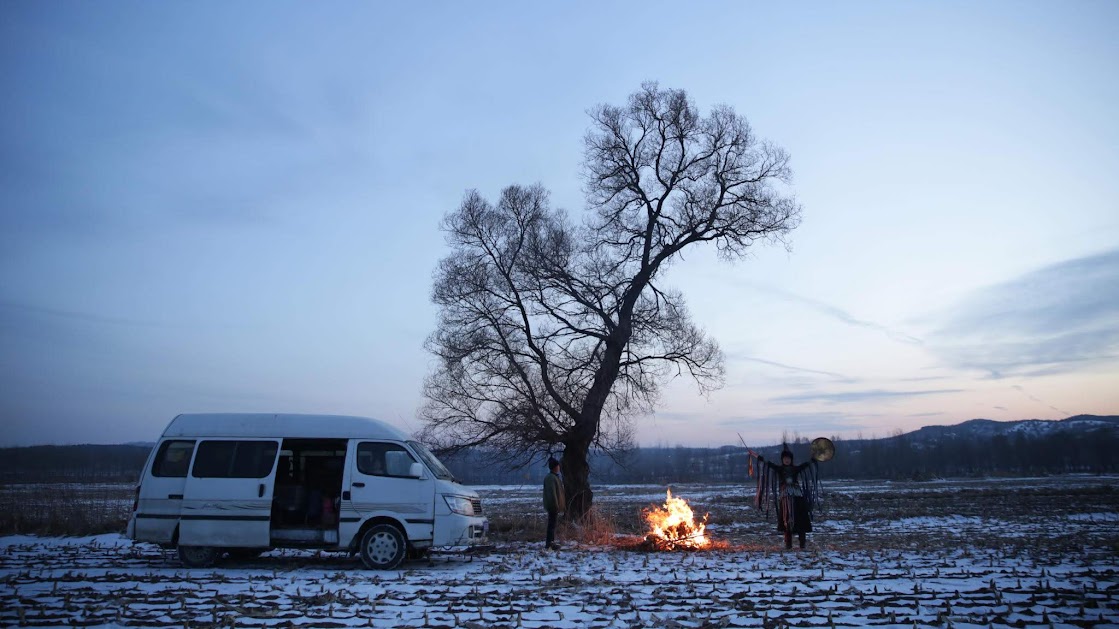
The film's protagonist is Erhao (Tian Tian) who is considered a curse by other villagers, because she has already lost three husbands at her young age. After her latest husband died in an explosion at their family fireworks factory, she gets cold shoulders from others when she tries to survive with her late husband's mute teenage brother Shitou (Wen Xinyu). When she turns a couple of things around in the village for the better, superstitious villagers begin to regard her as a shaman and ask her to bring good luck to them. Erhao certainly knows how to use that perception for her advantage. She travels from village to village and makes a living by offering her blessing service. However, whether she truly has the superpower to change her fate remains to be seen.
Does Erhao really possess superpower? Or is it all pure illusion? As if the story is not intriguing enough, the film is almost entirely shot in black and white and in an Academy aspect ratio. Once in a while, a little color sneaks into the frame, often only on a specific object such as fire. The effect is both enigmatic and alluring.
The relationships between Erhao and the villagers are both dynamic and fascinating. Perhaps the true superpower Erhao has is the humanity and kindness in her heart, despite the mistreatments and suffering she endures.
-
Happy Cleaners (USA 2019 | in Korean/English | 98 min.)
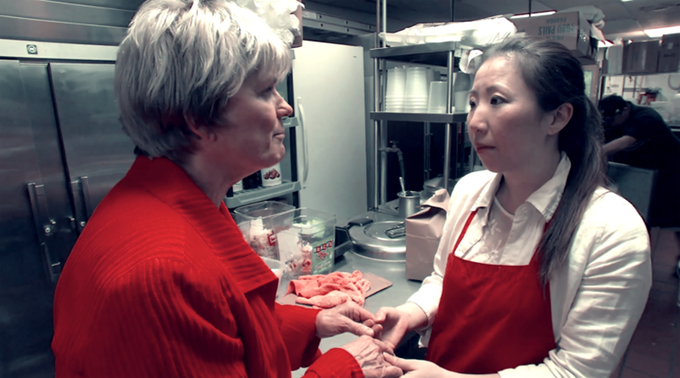
Although generational gaps and conflicts are common in every race, community, and family, they are more prominent for Asian immigrants living in the US with unique characteristics. Superbly directed by Julian Kim and Peter S. Lee, "Happy Cleaners" tells an authentic and heartfelt story about a Korean family that deals with such conflicts while strengthening the family bond. The terrific ensemble cast impeccably creates these arresting characters that most Asian immigrants can easily resonate with.
Mr. Choi (Charles Ryu) and Mrs. Choi (Hyang-hwa Lim) have been running their family dry-cleaning business Happy Cleaners in Flushing, NY for seventeen years. They don't approve of their daughter Hyunny's (Yeena Sung) relationship with her boyfriend and they are even more furious about their son Kevin's (Yun Jeong) idea of moving to Los Angeles to run a food truck. Their goal is to hold onto their dry-cleaning business so their children can take on better professional careers without having to repeat their hardships as the first generation of Korean immigrants. But when the cleaner's lease is in limbo, everyone's plans and dreams are shattered. Despite the drama, their solution to the challenge comes naturally—embrace the family bond and cherish the love for each other.
It is unequivocal that each scene in the film comes from real life experience and it is as authentic as Kevin's mom's mouth-watering home cooking. The story pays homage to every hard-working Asian immigrant family's struggle. Even though the story is about a Korean family's dry-cleaning business, it can also be about a Vietnamese salon or a Chinese restaurant. The film strikingly depicts the core values held by these Asian immigrant families and genially shares their stories.
Capturing the mindset and experience of the first generation immigrants is only half of the achievement of this remarkable film. It also eloquently expresses the second generation's perspective on growing up in the US while not necessarily sharing the traditional values of their Asian parents. No matter which generation you belong to, the film speaks your voice and touches your heart.
This is one of the best films at the festival, hands down.
-
Demolition Girl
(JKエレジー | Japan
2018 | in Japanese | 88 min.)
Japan's sexual fetish scenes have their fair share of reputation and hardly anything is regarded as shocking. Smashing empty cans by a school girl certainly has its own followers in the Japanese society. But the director Genta Matsugami's (松上元太) directorial debut "Demolition Girl" is not a film that explores this fetish, rather, it tells a coming-of-age tale of an intelligent girl pursuing her dreams and trying to break away from poverty.
That girl is a senior high school student Cocoa (Aya Kitai) who is stomping on cans and bottles in the opening scene while her friend Kazuo (Hiroki Ino) is filming. The sale of the video keeps her afloat because after her mom's death seven years ago, his gambling-addicted dad Shigeru (Yota Kawase) has not worked at all, and her useless older brother spends all his time watching TV and playing video games.
Cocoa hopes to attend university and leave her deplorable family. When she learns that she can get a student loan to pursue higher education, her dream seems one step closer to becoming reality. But when the school discovers the "crush-video" she has made, her loan application is revoked and her dream is crushed, no pun intended.
Unlike tranquil and peaceful middle class lives shown in many Japanese films, this is a film that turns its lenses on to people living in poverty. Cocoa's experience is both heartbreaking and infuriating. Despite being intelligent, determined, and hard-working, she seems unable to escape the trap she is boxed in and to shake off the heavy burden that she shoulders at a very young age.
Cocoa's motion of crushing empty cans in the film isn't much different from those of scavengers on the streets in San Francisco cashing in on recyclable cans. They all serve one single purpose—surviving. That's the real tragedy, and there is nothing sexy about it.



Labels: CAAMFest
Thursday, April 26, 2018
CAAMFest 2018
Despite the shift in time, the festival continues to provide a platform for exhibiting CAAM's productions, new works by Asian American filmmakers, and contemporary Asian cinema. Now in its sixth year after evolving from its predecessor, the San Francisco International Asian American Film Festival, CAAMFest has become more mature than ever in catering a 15-day long indulgence of film, music, food, and digital media. Taking place May 10-24, 2018 in San Francisco and Oakland, this year's festival has a fitting tag-line: "CULTURE, IN EVERY SENSE."
Compared to the past, not only has the festival extended its duration by a few more days, but it has also dramatically increased the number of participating venues across San Francisco and Oakland. These changes both increase the visibility of the festival throughout the Bay area and infuse more excitement to the festival. They provide more opportunities to expand the music and food aspects of the festival as well.
For Asian cinema lovers, this year's film screenings mainly take place in San Francisco at AMC Kabuki 8 and New People Cinema in Japantown, as well as the Roxie Theater in the Mission, and in Oakland at the Piedmont Theater.
On Thursday, May 10 at the Castro Theater, the festival opens with Dianne Fukami's documentary "An American Story: Norman Mineta and His Legacy" (USA 2018 | 60 min.), about the life and career of Japanese-American politician Norman Mineta from San Jose.
Two weeks later on May 24, the festival closes with a live performance "Aunt Lily's Flower Book: One Hundred Years of Legalized Racism" at the historic Herbst Theatre.


> In between, along with music and food, the festival screens 119 films and videos, including 17 feature narrative films, 14 feature documentaries, and 8 shorts programs, as well as other CAAMunity Screenings.
Here are my reviews (or capsule review if they are under hold-review status) of a few films. As always, each film's title is linked to the festival program where you can find the film's showtime and venue information. Each film's still image is linked to a film's official Web site if it's available. In random order:
- Dead Pigs (海上浮城 | China 2018 | in Mandarin/English | 130 min.)
- People's Republic of Desire (China/USA 2018 | in Mandarin | 94 min. | Documentary)
- A Little Wisdom (China/Canada/USA 2017 | in Nepali | 92 min. | Documentary)
- Looking For? (你找什麼? | Taiwan 2017 | 61 min. | in Mandarin | Documentary)
-
Dead Pigs (海上浮城 | China 2018 | in Mandarin/English | 130 min.)
Winning the World Cinema Dramatic Special Jury Award for Ensemble Acting at this year's Sundance Film Festival, the writer-director Cathy Yan's (阎羽茜) engrossing feature directorial debut "Dead Pigs" provides a vivid snapshot of lives in today's China where the inequality has become more evident than ever. Using the 2013 incident of 16,000 floating dead pigs in Shanghai's Huangpu River as the backdrop, the film seamlessly connects a handful of colorful characters across the economic spectrum.
One of the farmers who dump dead pigs into the river is Old Wang (Yang Haoyu), who raises pigs in the outskirt of Shanghai, and is also a victim in a fraudulent housing development investment scheme. Meanwhile his sister Candy (the terrific Vivian Wu, who is also credited as the co-producer), a salon owner, stalls a development project by refusing to sell her house that stands alone in the middle of a rubble of demolished houses. Candy insists that her motivation for standing her ground is not for money, but to preserve her cultural heritage and the pride of her identity.
Old Wang's son Zhen (Mason Lee) works as a waiter in a luxury restaurant in Shanghai where affluent young crowds frequently visit. At work, he meets a rich girl Xia Xia (Li Meng) and falls hard for her. Xia Xia treats Zhen as a muse at first, but after they become closer following her hospitalization due to a traffic accident, she begins to realize that the class gap between them is impossible to bridge.
Desperately needing cash to pay off the loan shark, Old Wang asks Candy to sell the doomed house they co-owned, but Candy firmly refuses. Running out of options, Zhen goes to the extremes in order to help his father get out of the crisis.
After the pigs are fished out of the river, life seems to go on as if that never happened. Will these people be able to say the same after what they have gone through?
The writer-director Cathy Yan impressively crafts her story, at the same time injecting sharp social commentaries. She convincingly weaves several stranger than fiction phenomena into the plot and delivers them with dark humor and deep empathy. She reveals the struggle by those have-nots underneath the grand achievements shown daily on TV and in the news media.
That focus and undertone come with no surprise when Jia Zhangke (贾樟柯) is on board as the film's executive producer, but the film has a distinctive voice that belongs to Cathy Yan. Both her sense of humor and her heartfelt empathy toward her characters are rendered frame by frame.
The film also gives the audience a refreshing look at daily life in China. For example, the motivation exercise in front of Candy's salon is indeed a very common scene no matter how funny and ridiculous it might look on screen. And the story surrounding Zhen strikingly reflects millions of young people's lives in modern China. That makes this film resonate with them because it speaks volume for those many who have little to no voice.
-
People's Republic of Desire
(China/USA 2018 | in Mandarin | 94 min. |
Documentary)
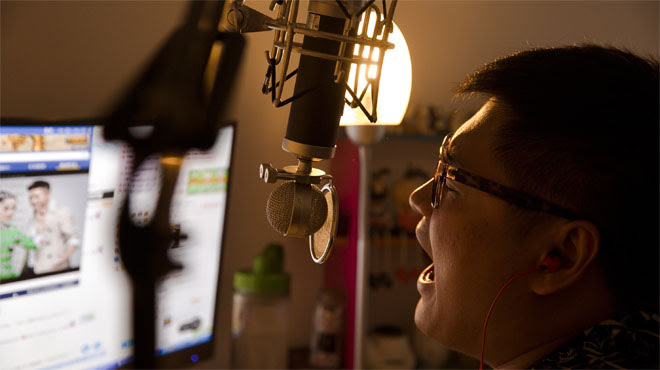
After the intimate portrait of a group of students at the prestigious Central Academy of Drama in "The Road to Fame" (成名之路 | China 2013), the molecular biologist-turned-documentarian Hao Wu returns to the festival with "People's Republic of Desire," capturing the phenomenon represented by another group of fame seekers in the digital age—attempting to become live streaming superstars on YY.com (YY语音).
Winning the Grand Jury Award for Best Documentary at this year's SXSW Film Festival, the film follows a few YY super-stars and their faithful followers and captures these characters' mental and physical beings. It's both shocking and thought provoking to see how the social media technology is able to produce super rich celebrity without the necessary of possessing any talent, to provide cheap entertainment for the new generation, to transcend crowds similar to spectators of sporting events into virtual reality voyeurs, and to disconnect people in real life and rejoin them online.
-
A Little Wisdom
(China/Canada/USA 2017 | in Nepali | 92
min. | Documentary)
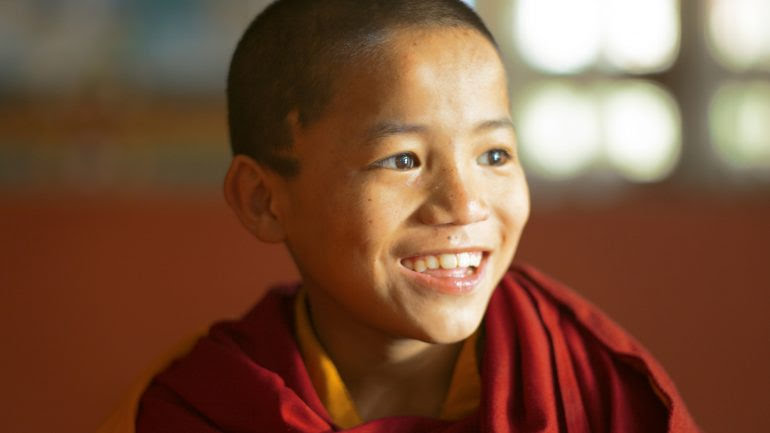
You must have heard of stories about orphans growing up in Christian ministries, but what about orphans in a Buddhist monastery? Director Kang Yuqi's (康宇琪) closely observed documentary "A Little Wisdom" will give a rare and heartbreaking look inside those colorful walls where children are abandoned with little adult supervision.
Hopakuli is one of these abandoned children. At the age of two, he was left at a monastery in Lumbini to live with his older brother Chorten and 20 other young children. The film follows the now five-year-old Hopakuli around the isolated monastery and the deserted harsh surrounding where they play, sleep, eat, read, and poignantly seek love and affection, which, like other commodities such as food, are hard to find.
-
Looking For?
(你找什麼?
| Taiwan 2017 | 61 min. | in Mandarin |
Documentary)
Can you imagine what it would be like to have a Stonewall Uprising in today's digital age since gay bars are no longer the primary hang-outs for the gay community? People have been glued to their smart phones for years, and it's no exception for the marginalized-but-becoming-mainstream gay population, especially when it comes to dating and cruising. The social media dating apps have gained tremendous popularity and become the go-to "place" for most LGBTQ people to connect, explore, and unite nowadays.
Taiwanese director Chou Tung-yen's (周東彥) timely documentary "Looking For?" takes a closer look at the impact of these dating apps on the lives of new generations of gay men, and get some perspectives from those who experienced the era of Stonewall Uprising.
The director Chou Tung-yen turns his camera towards dozens of gay men (mostly Asian and Caucasian) in seven big cities around the world and lets them candidly share their experience of using dating apps. Some of their stories are touching, some of them shocking, and some of them simply resonate with anyone who has ever opened one of these apps on their phones.
While the film doesn't shed any more insight than what we already know about the usage of gay dating apps in terms of motivation or frequency, it does provide a few statistics that may give you pause and you think about how these apps have empowered the newer generations to liberate their sexuality, compared to the resources that were available to the older generations.
Most of the people interviewed in the film are ordinary gay dating app users, except for Geng Le, the founder of a Chinese gay dating app. It seems to be a missed opportunity that the film did not involve any academic scholars or experts to further study the social and psychological effects of these apps on the gay community at a higher level. Perhaps because of the large number of people interviewed during the merely one hour running time, the film also comes up short in digging deeper about any of its subjects. The end result resembles the experience of browsing profiles on a gay dating app—Surely there are a few eye catchers along the way, but you may only know each of them skin-deep with just a few tag lines and a mug shot.
Nevertheless, this is the first of its kind film that tells a story which is often neglected. For better or worse, these apps have become an integral part of gay life and gay identity in the digital age. The film's effort in telling these gay men's stories in association with these apps is admirable.


Labels: CAAMFest
Thursday, March 7, 2013
CAAMFest 2013
|
After thirty years, San
Francisco International Asian American Film Festival
(SFIAAFF) has a new identity. It
becomes CAAMFest. The new
name effectively promotes the institution behind the
festival—Center for Asian America
Media (CAAM).
The festival also has a new tagline: "Film. Music. Food."
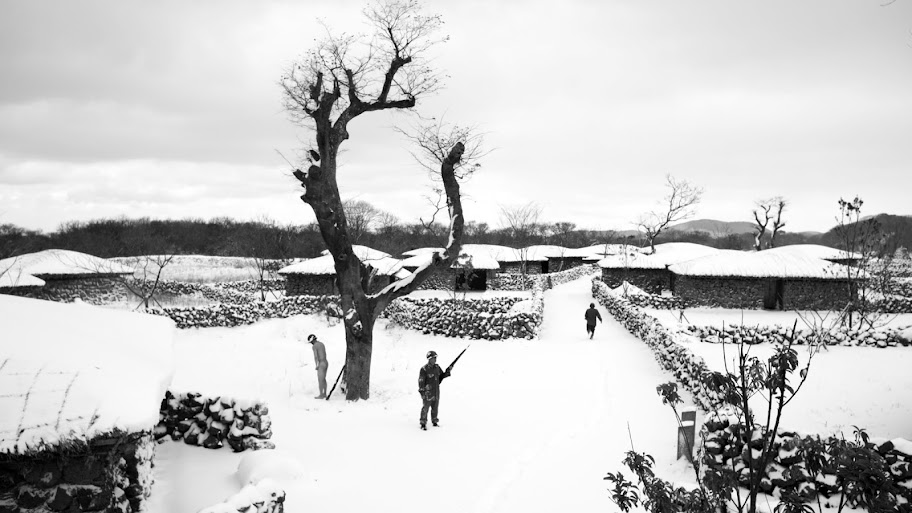
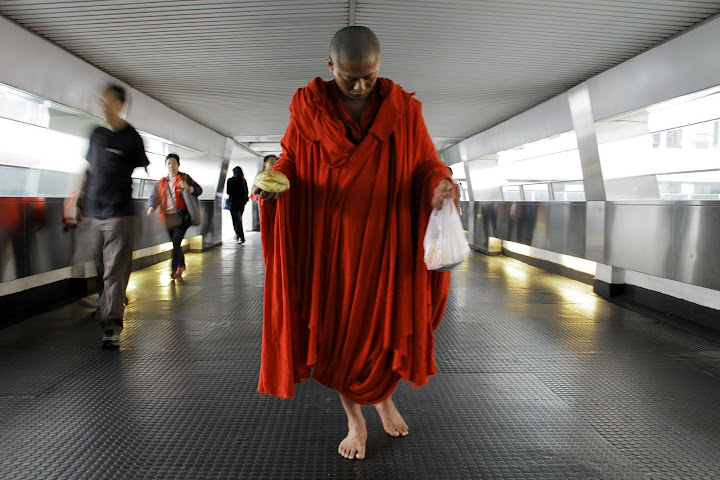
For thirty years, San Francisco International Asian American Film Festival has been the largest showcase in North America for Asian American independent filmmaking and current Asian cinema. However, starting from last year's SFIAAFF 30, the festival's programming has shifted to a new direction to embrace the emerging new media. One noticeable change is the reduction of the presence of contemporary Asian cinema as well as the total number of films in the programming, and the increase of CAAM's in-house productions. This year, while continuing this trend, the festival makes even more drastic changes, besides giving itself a new name. The festival eliminates the San Jose location altogether and runs the entire ten days, March 14-24, in San Francisco and Berkeley (which I think it's a smart move). It also adds quite a few musical programs (does SXSW come to your mind?) and live-cooking events to the festival. And, for the first time, the festival presents a 3-D film—the fantastic "The Monkey King: Uproar in the Heaven" (大闹天宫 | China 2011 | in Chinese | 92 min.). It's evident that the festival has evolved itself to be a primary platform for CAAM's productions and interactive programs that involve music and food. The changing of the festival's name seems inevitable and actually quite fitting to reflect the festival's new identity. I love film, music, as well as food. However, I would like to focus on film aspect of the festival here. This year, the film's portion of the festival is downsizing to 21 narrative features and 19 documentary features, and many of these documentaries last less than an hour, perhaps they are tailored for PBS. One prominent focus at this year's festival is China. Quite a few films tell heartbreaking stories about the lives of ordinary Chinese people who are left behind by the economic boom. These films bring the widening chasm between rich and poor and escalating political unrest in China to light, and understandably, none of them are upbeat. Here are my picks in this year's program. As always, each film title is linked to the festival program, where you can find more details about the film including showtime and venue information. Each film's still image is linked to a film's official Web site if it's available. The CAAMFest 2013 takes place March 14-24, 2013 in San Francisco at Sundance Kabuki, SF Film Society Cinema, Castro Theater, and Great Star Theater, and in Berkeley at Pacific Film Archive, and other venues around the Bay Area.
|




Labels: CAAMFest, SFIAAFF 2013

